
The odyssey of a castle
Château Frontenac : A Pride of Québec City
The Nobility of the Site
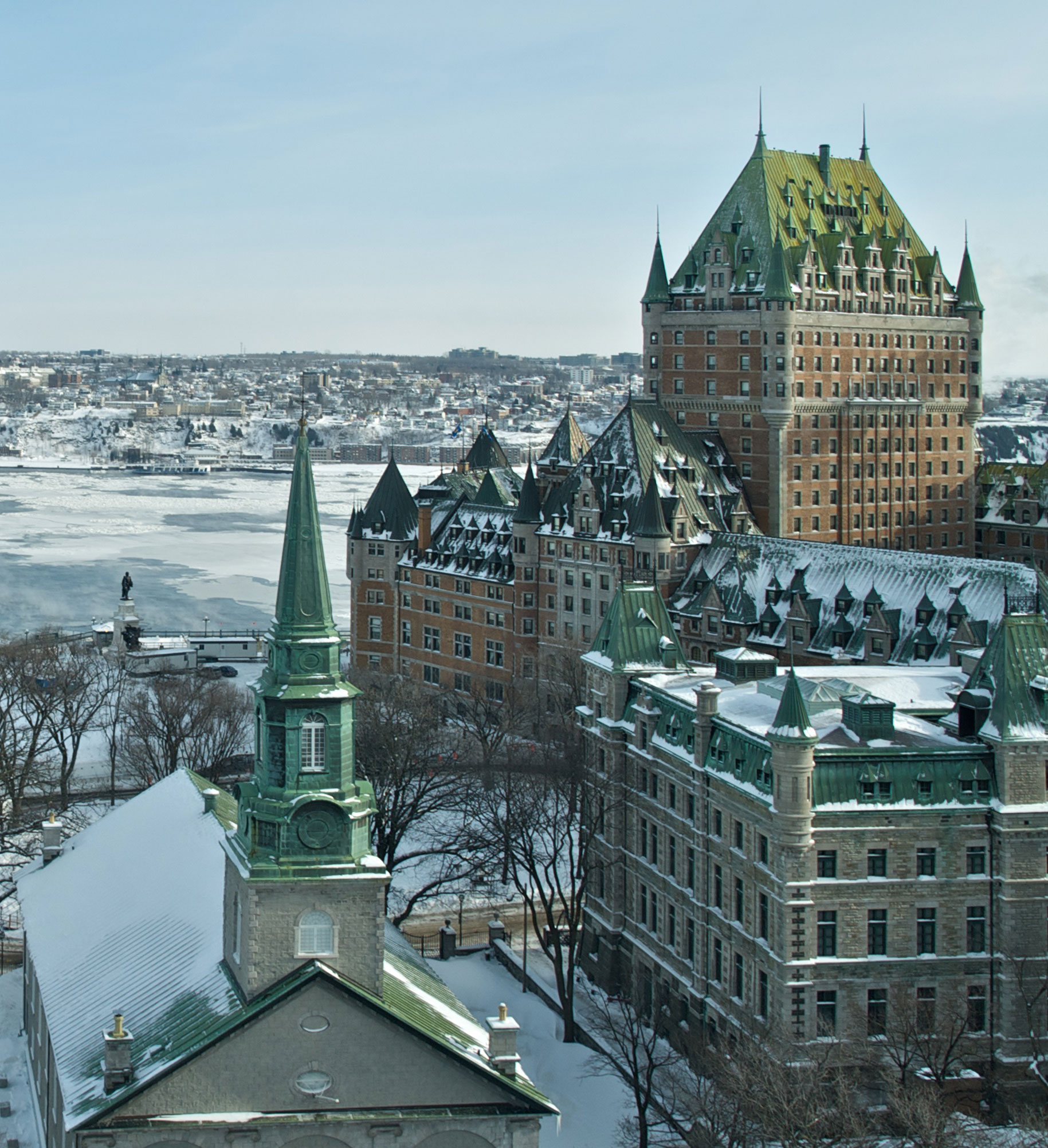
The Fairmont Le Château Frontenac hotel rests on the strategic site identified by Québec City’s founder, Samuel de Champlain, to establish the official quarters of New France in 1620. More than 250 years later, the natural grandeur of the location made it the perfect high point to build the city’s first luxury hotel, worthy of hosting distinguished guests.
À la Française Architecture
In 1892, at the request of the Canadian Pacific Railway, American architect Bruce Price designed the plans for the Château Frontenac, drawing inspiration from the then-fashionable château style, which can still be seen in many major North American cities. To highlight the site’s origins as a cornerstone of francophone presence on the continent, Price emphasized the building’s French character, notably drawing on the noble forms of the Loire Valley châteaux. The ornamentation of turrets and dormer windows, along with steep copper roofs, became the Château’s distinctive hallmark. Above all, Price emphasized pronounced round towers that connect the various wings surrounding this site, perched on the city’s heights.
This original plan allowed for future expansions, while keeping one side of the inner courtyard open. Subsequent additions were carefully designed to respect the harmony and French château character established from the start by Price.
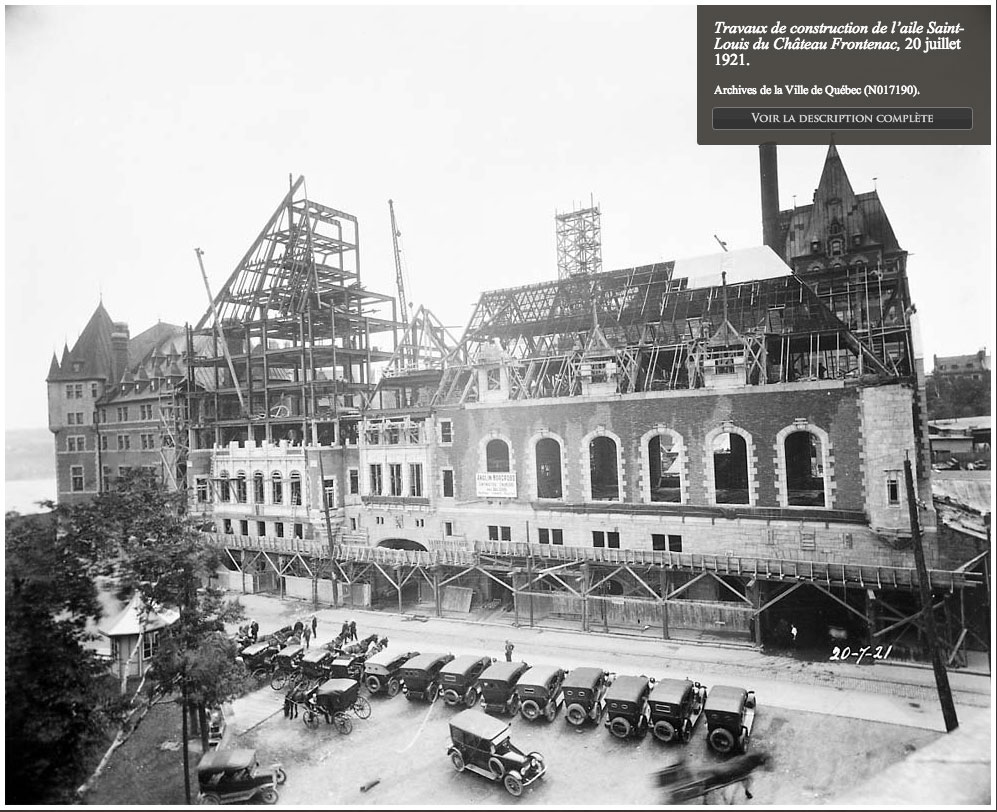
From 1920 to 1924, architects Edward and William Maxwell would, in a sense, seal the Château Frontenac’s architectural completion. The Canadian Pacific Railway sought to double the hotel’s capacity to accommodate a growing number of visitors, but the site’s footprint was limited. The Maxwell brothers therefore conceived a 17-story central tower within the enclosure formed by the surrounding wings. The effect was magnificent! This final addition, whose medieval style harmonized with the rest of the building, cemented the Château Frontenac’s supremacy. Its vast green roof crowned the architectural masterpiece with sovereign grandeur.
The Château Reimagined by Artist Jean Gaudreau
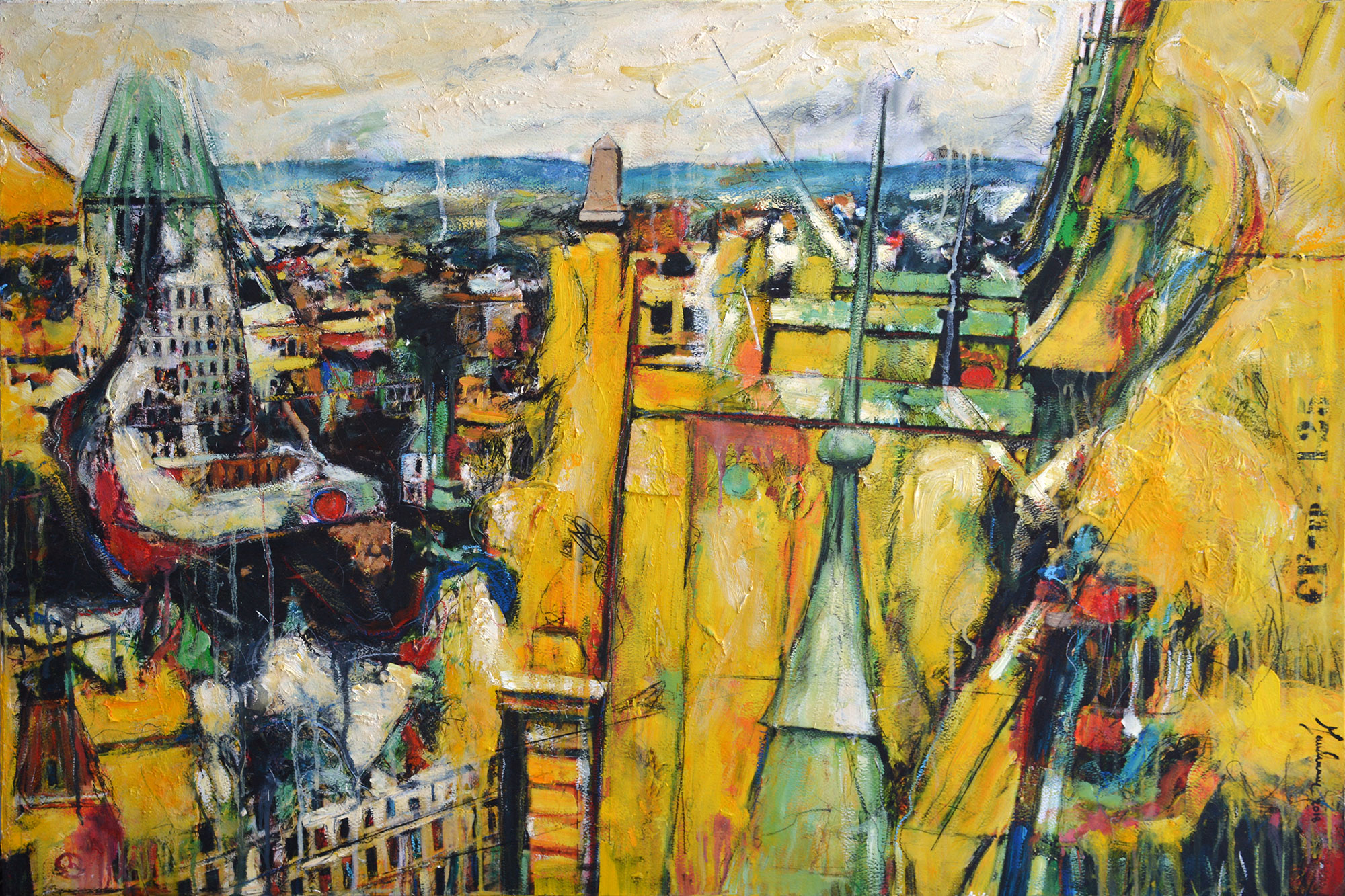
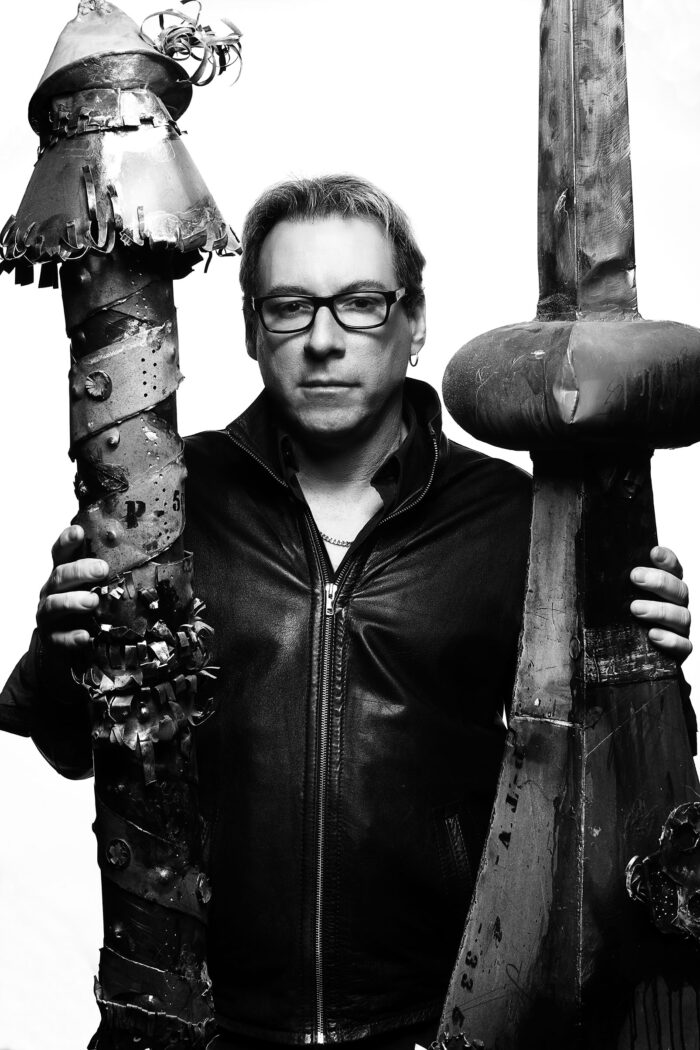
Born in Québec City, multidisciplinary artist Jean Gaudreau is deeply rooted in the city that shaped his upbringing and artistic formation. A graduate in visual arts from Université Laval, he has participated in numerous artistic events—including Robert Lepage’s Le Moulin à images in 2009—and his works adorn several buildings in the city. His artistic practice develops around iconic cultural themes or traces, reinterpreting them as expressionist motifs that combine drawing, painting, printmaking, and sculpture.
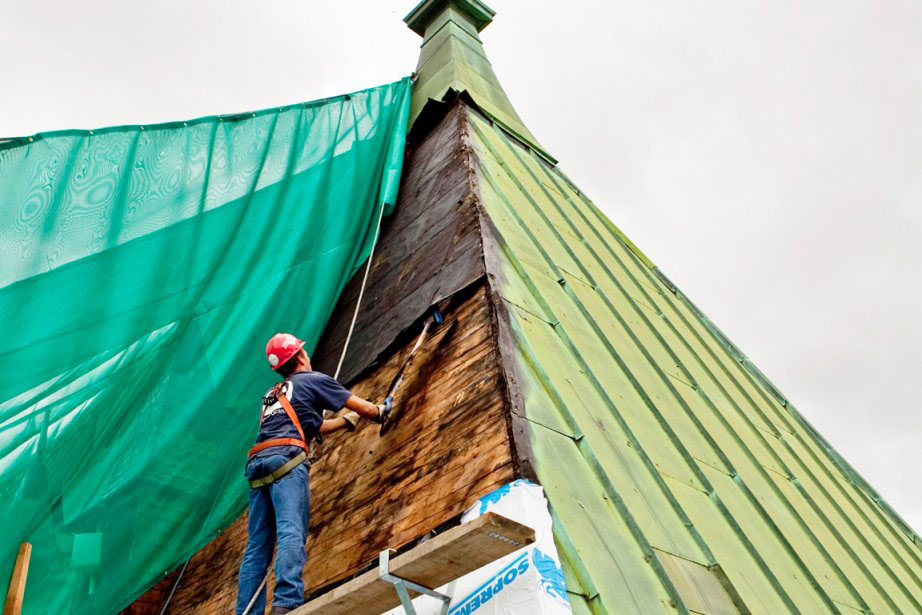
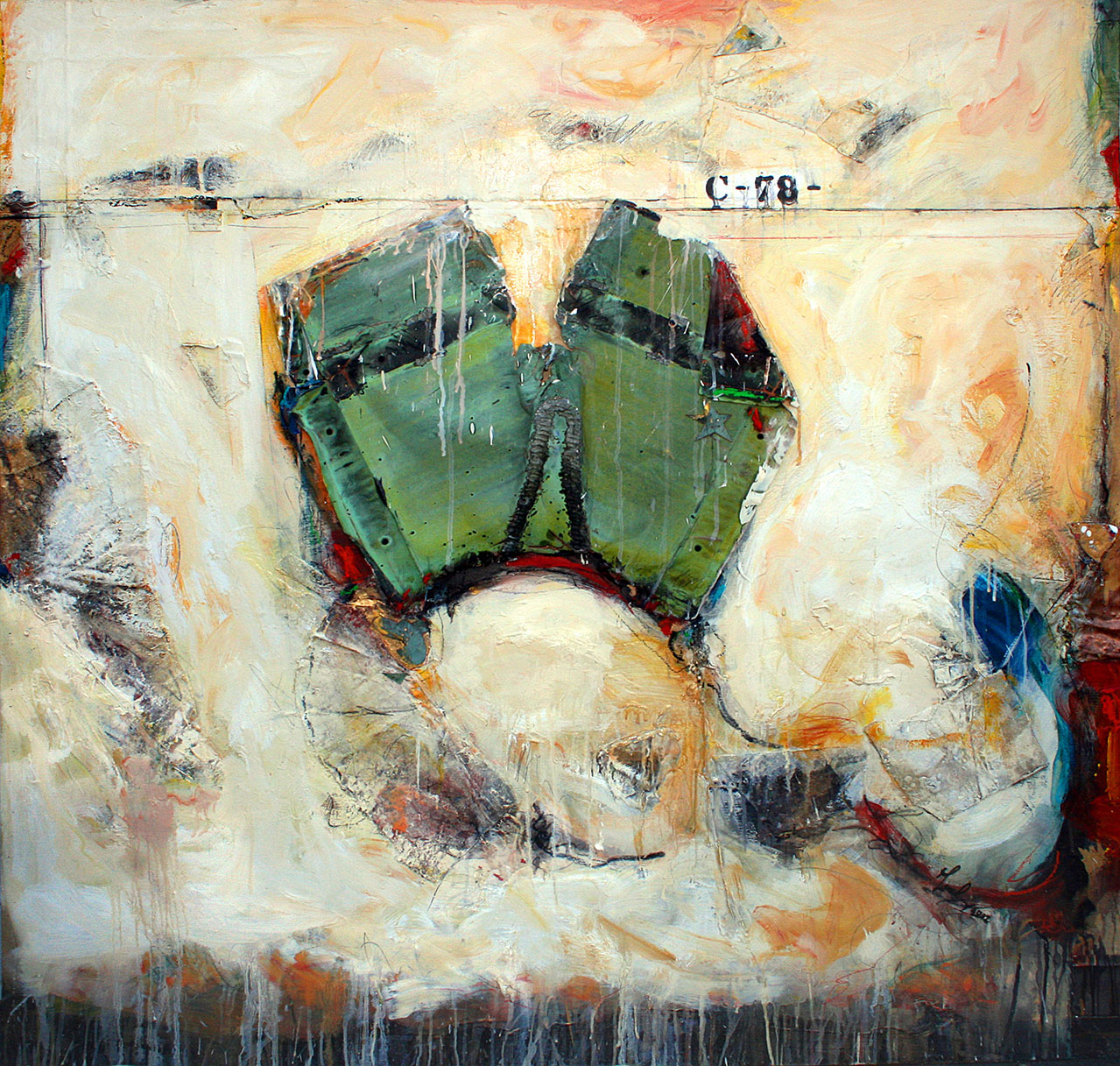
In 2012, during the restoration of the Château Frontenac’s roof, Gaudreau recovered sheets and fragments of its iconic copper, aiming to preserve the city’s heritage traces and give them new life. His extensive project explores the relationship between past and present through works inspired by the material, employing various sculptural and painting techniques according to the intuitive approach for which the artist is renowned.
2014: The Roof Soars Toward a Daring New Youth
The artist’s initial creative intentions were to modernize fragments of the past and bring them into the present. His work with copper from the Château gave rise to paintings in which copper fragments were integrated into large-scale panels, as well as to a series of sculpted hearts, pieced together from the material itself. Covered with colorful graffiti and reworked fragments, these works infused the vestiges of the past with an urban and contemporary aesthetic. The exhibition Au cœur de Frontenac (At the Heart of Frontenac), presented in 2014, revealed these innovative works, propelling Gaudreau’s art onto the international stage and taking the Château’s roof on a journey.
2026: The Roof Comes to Rest in the Light of the Past
While the first phase of his project sought to update the material, Gaudreau’s recent works draw on ancestral copper, returning it to its raw, stripped-down character in order to fully appreciate its unique natural brilliance, carrying a memory to be rediscovered. These new roof fragments reveal the material’s true colors, whose oxidation and verdigris serve as a source of inspiration for the artist.
The composition of the works responds to the material’s natural light through nuanced colors and the incorporation of metal fragments, glass, and porcelain to create mosaics that amplify the effects of light.
The artist chooses to install these works against an immaculate white background, allowing them to float within a translucent plexiglass casing, thereby enhancing the luminous dialogue between texture and surface.